
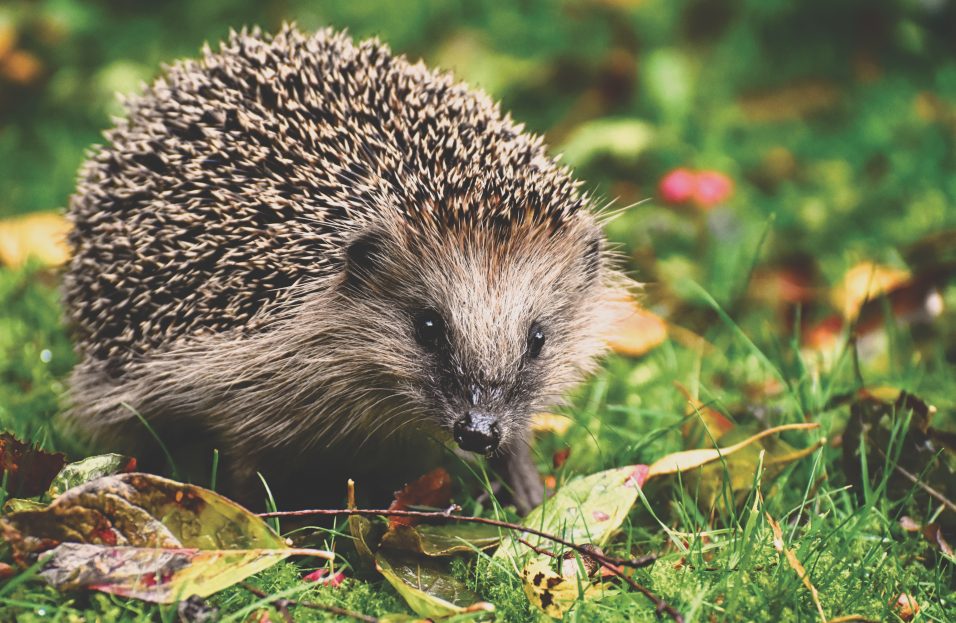
Our wild hedgehog population is declining at an alarming rate, such that they are now an endangered species.
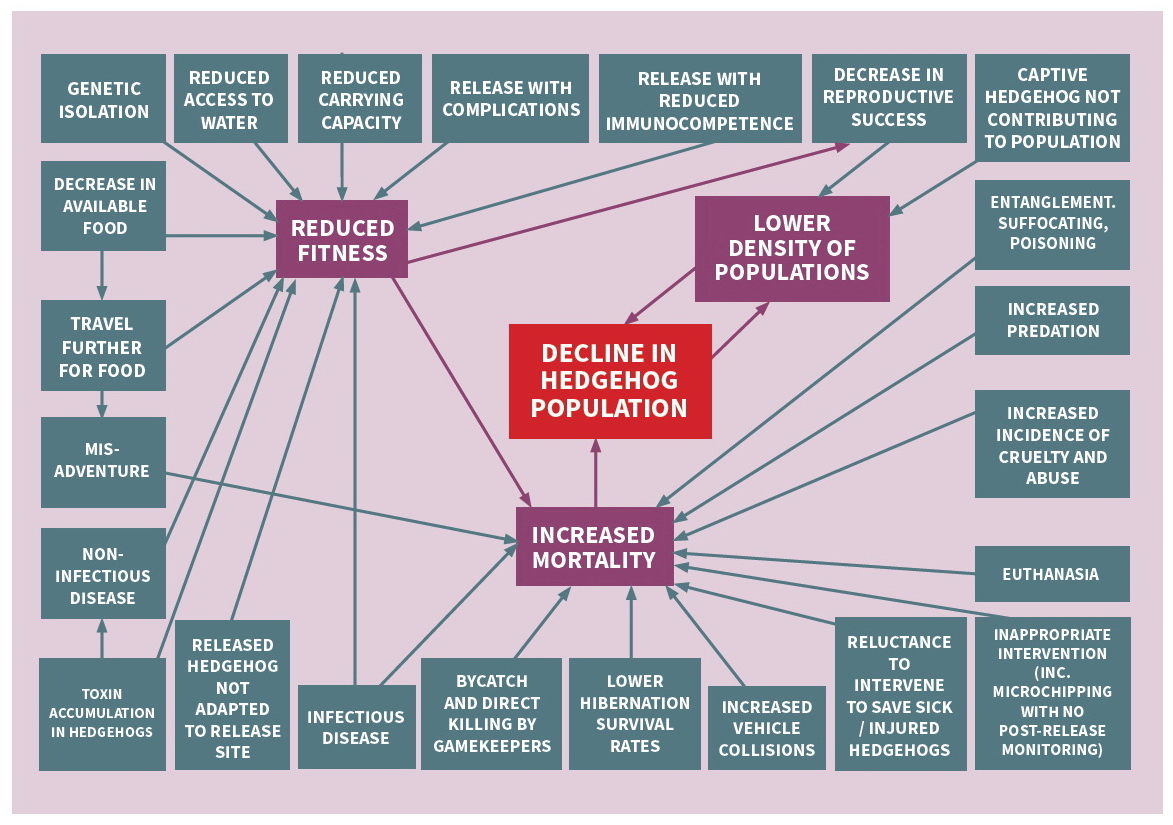
Here are some things we can do to help our village hedgehogs
Garden modifications
Hedgehogs can travel up to two miles a night foraging for food, and one hedgehog will not get enough food from a single garden,
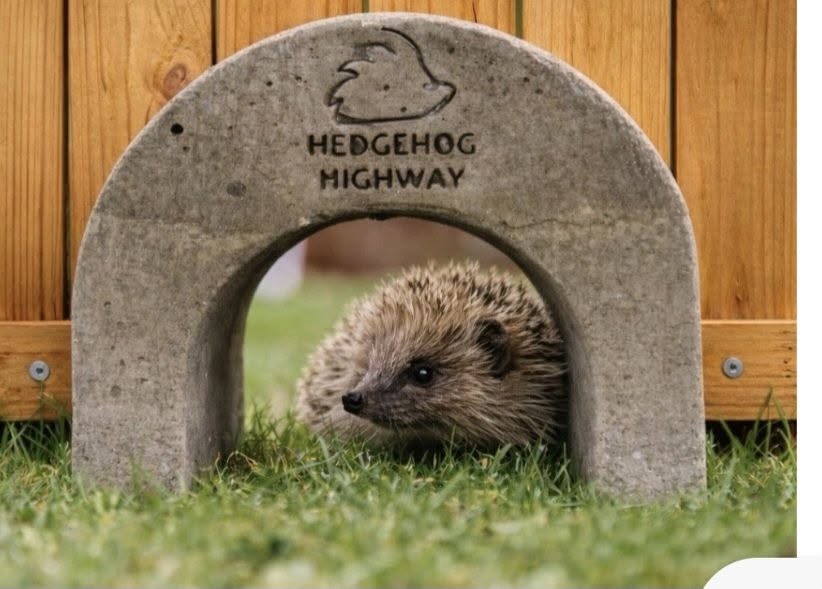
Consider cutting a small 13cm square or round hole in the bottom of fences to create a ‘Hedgehog Highway‘, so the hogs can travel from one garden to another. If this isn’t possible due to your garden being surrounded by stone walls or because it’s at a different level to your neighbours, please make sure that hedgehogs can get in and out of your garden safely.
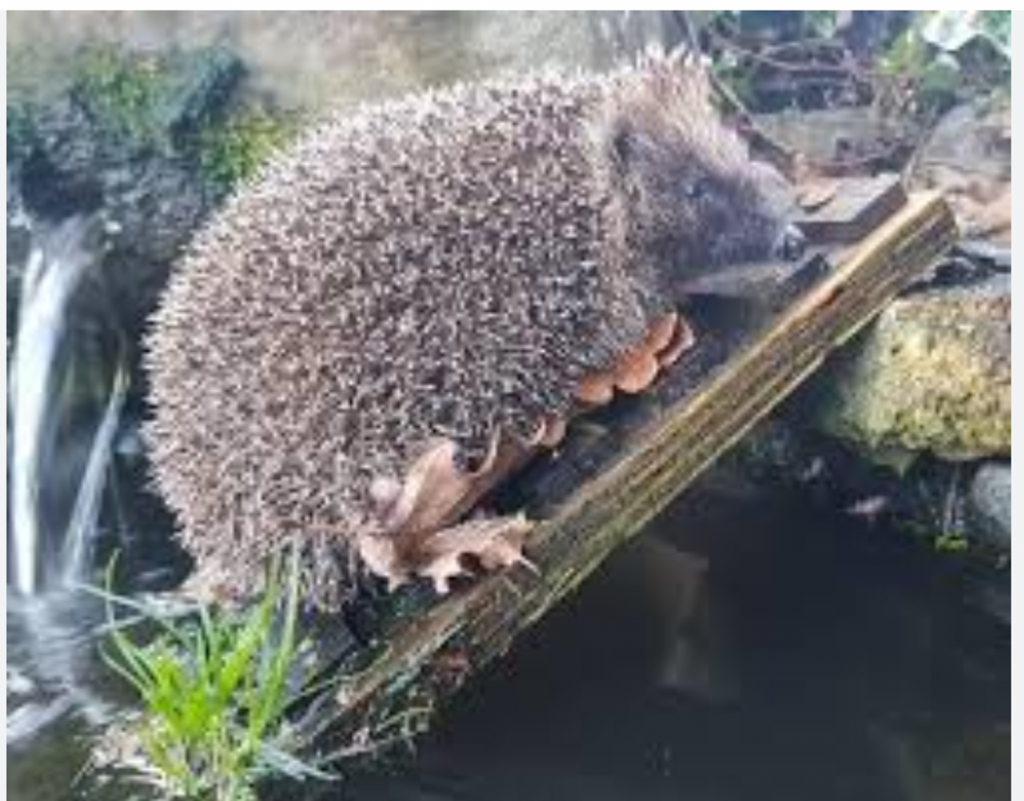
If you have a garden pond, put in a slope with a good grip (e.g. covered in chicken wire) so that a hedgehog can climb out if they fall in.
Food and water
If you do one thing, please leave out shallow ceramic bowls of clean water for hogs – not plastic bowls, as they will tip them over! This will help other wildlife too.
Contrary to popular belief, hedgehogs aren’t actually that keen on slugs and snails, but they will eat them if there’s nothing else available. Their preferred food is earthworms, beetles, caterpillars, earwigs, and millipedes, and they will also eat fallen fruit.
If you want to provide supplementary food for hedgehogs, the best thing is meaty, jelly (not gravy) based non-fishy cat or dog food. You can also get dedicated hedgehog food, although Hal’s Urban Hedgehogs in Corby recommends kitten biscuits over this, as the biscuits are smaller for the hogs to digest and more nutritious.
To deter other nocturnal visitors, there’s lots of advice online on how to build a covered hedgehog feeding station. Make sure you clean the feeding station out regularly though to prevent spread of diseases among the hogs.
Do not feed hedgehogs bread and milk. Hedgehogs are lactose intolerant and it will upset their tummies, and bread has no nutritional value for them and can lead to malnutrition and bone disease. Also no raisins, mealworms or calciworms. Hedgehogs love mealworms, but they are really bad for them!
Please also clear up any peanuts that have fallen from bird tables, as they can lodge in the roof of a hedgehog’s mouth, rot, cause infection and ultimately kill them.
Hedgehog houses and nests
If you want to put a hedgehog house in your garden, make sure it is completely in the shade. And please be careful if you are using a strimmer, or putting a fork into your compost heap, in case there is a hedgehog nesting in there.
Help and advice
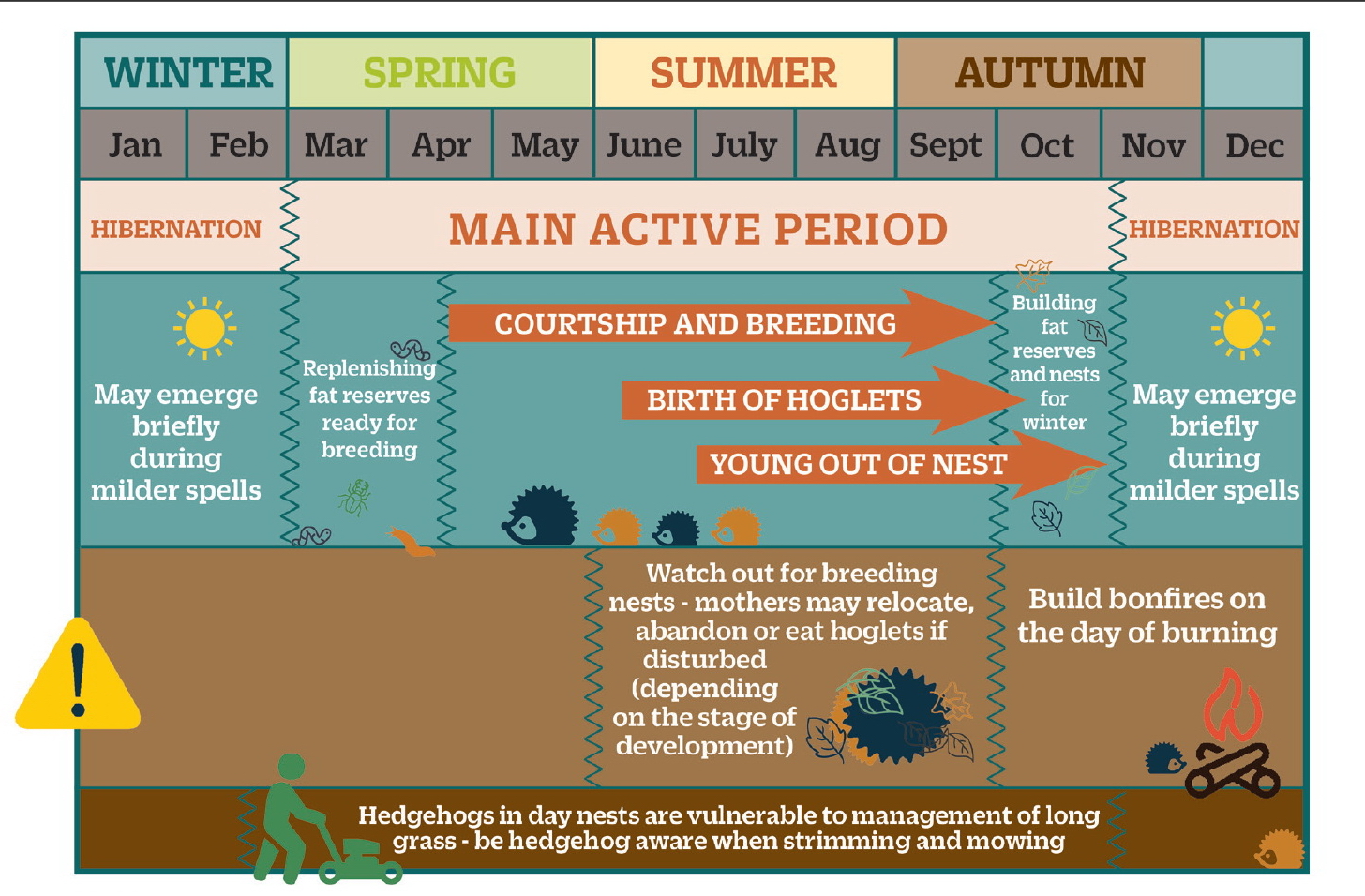
If you find an injured hedgehog, or you see one out in the day, it’s really important that you get them help as soon as possible.
Mothers can sometimes come out of their nest to collect nesting materials in the daytime, but they’ll be zipping around, so if you see one that looks like its stumbling, sluggish or disorientated, time is of the essence.
A dehydrated hedgehog will be wobbly and disorientated, and any hedgehog laying still in daylight looking like it’s ‘sunbathing’ needs immediate intervention.
Here are some contacts for local hedgehog rescues. All these rescues work closely together, so we’d recommend you contact Hal’s in the first instance.
Hal’s Urban Hedgehogs, Corby, 07401 044700
Hedgehog Lodge Rescue, Geddington, 07952 430877
Hoggieworts Hedgehog Helpers, Wellingborough, 07774 474826, email: hoggieworts@gmail.com
Prickleback Urchin Rescue, Rutland, 01572 504114, email: pricklebackurchins@outlook.com
The Big Hedgehog Map
If you see a hedgehog, either living or deceased, or if you install a Hedgehog Highway in your garden, please record it at Bighedgehogmap.org. This way, we can build up a picture of the hedgehogs in our villages.
Thank you!